What ALA is
Alpha lipoic acid is a small sulfur-containing molecule your body makes to help mitochondrial enzymes turn food into energy. Spinach, broccoli, tomatoes and organ meats contain tiny amounts. As a supplement, it acts as an antioxidant in both watery and fatty parts of cells and helps recycle vitamins C and E and glutathione (see the Linus Pauling Institute).
Nerve symptoms: the strongest evidence
High blood sugar damages nerves, especially in the feet. In the SYDNEY 2 trial, 600 mg of ALA by mouth once a day for five weeks reduced burning, pain, numbness and prickling more than placebo; higher doses added side effects without extra benefit. A meta-analysis of intravenous trials agreed.
Blood sugar
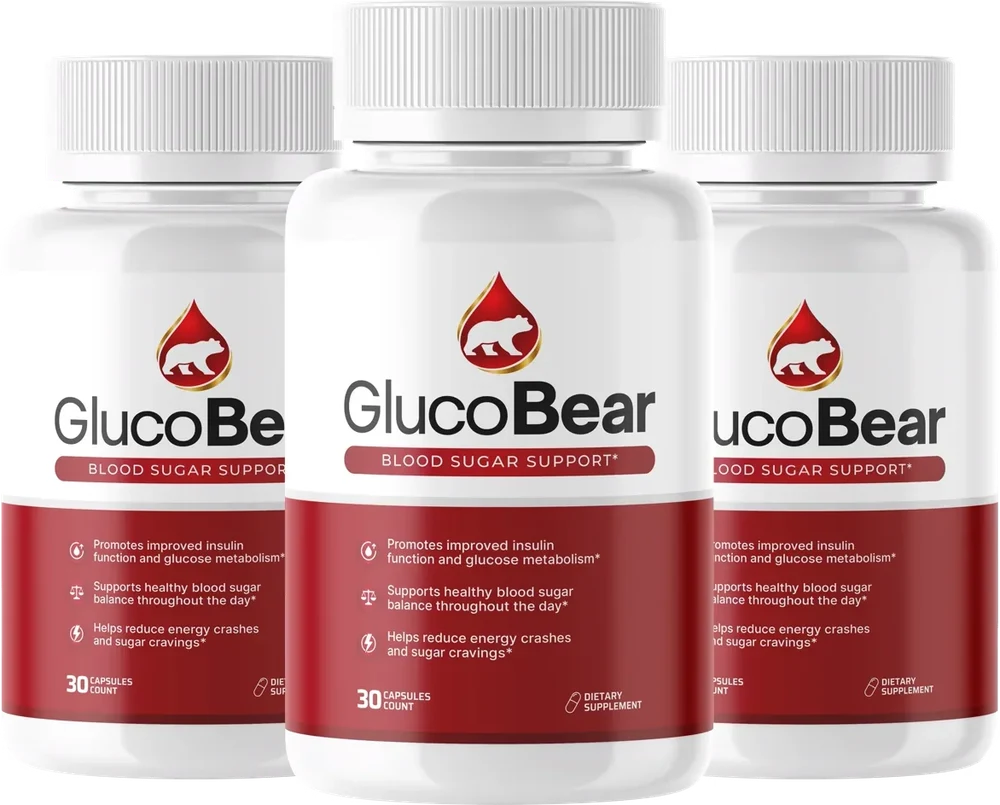
Lab studies show ALA helps move glucose transporters to the cell surface. In people, effects on fasting glucose and A1C have been small and inconsistent. In GlucoBear it plays a supporting role.
Safety
- Nausea, heartburn and rash, more likely above 600 mg.
- May lower blood sugar with diabetes medicine.
- Rare insulin autoimmune syndrome, reported mainly in people of East Asian descent.
- May interact with thyroid medicine; ask your doctor.
Should you see a doctor about nerve symptoms?
Yes. Burning or numb feet can signal neuropathy from high glucose, vitamin B12 deficiency or other causes. A simple foot exam and blood tests help. Learn the numbers in Blood sugar numbers explained.
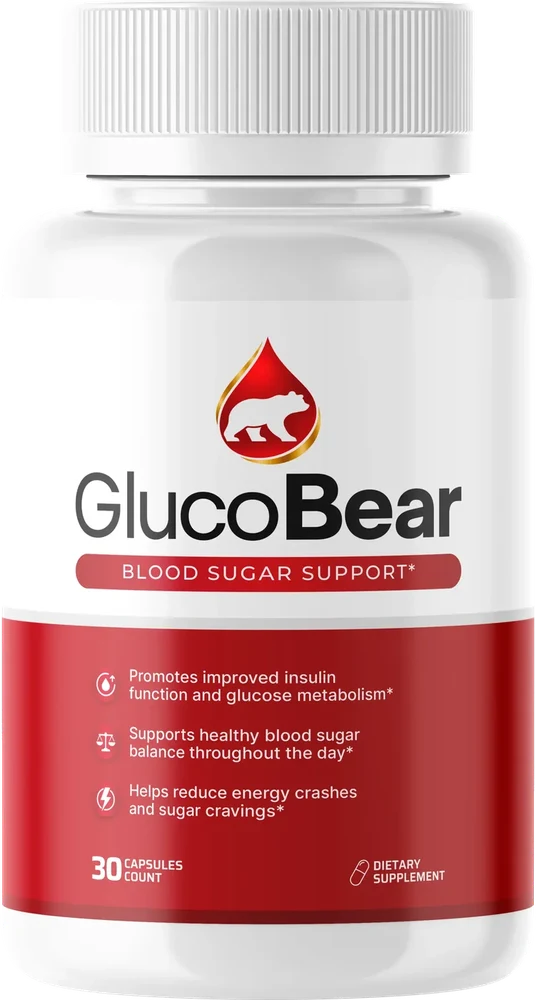
Want to see the current packages and price? Prices are shown only at the seller’s checkout. Read the safety guide first if you take any medicine.
Check Today’s GlucoBear PriceQuestions
Is R-ALA better than regular ALA?
R-ALA is the natural form; most studies used a 50:50 mix. There is no strong evidence that one is clearly better for glucose.